
If the semester feels like a rollercoaster, you’re not broken—you’re normal. This calendar shows what usually gets hard each month and tiny moves that help, so you can feel steadier and kinder to yourself.
Student stress isn’t random; it follows the rhythm of the academic year. When you can see the pattern, you can prepare for it instead of being surprised by it. Think of this as your semester weather report—with a small umbrella for each kind of rain.
“You’re not behind—you’re on a calendar. Once you know the season, you can dress for it.”
How to use this calendar
- Skim your month first. Read the section for where you are now.
- Pick one tiny step. Not five. One. Small actions beat big intentions.
- Check back weekly. Stress ebbs and flows. Adjust like a friendly coach, not a critic.

September–October: The Adjustment Phase
What often happens: New routines, new faces, new workload. Homesickness and “Am I cut out for this?” thoughts pop up. Midterms arrive and the first big papers land. All of this is common—and temporary.
Small steps that help
- One anchor place. Pick a regular study spot. Keep only what you need on the desk. When you sit there, your brain learns, “Here, we focus.”
- Calendar first, then list. Put all due dates in one calendar. Next, schedule when you’ll do the work. Even two short blocks beat a long vague list.
- Office hours, tiny edition. Visit with a small question (“Could you check my thesis statement?”). You’re building a safety net before you need it.
- Micro-friendship. Sit in the same seat, say “hey” to the same person, and share a handout. That’s enough to start.
- Sleep baseline. Pick a “screens off” time 45 minutes before bed. Protect it like an appointment with your future self.
A starter routine (30 minutes, gentle)
- Open the syllabus → copy just one due date into your calendar.
- Block a 25-minute focus session for tomorrow; add a 5-minute break after.
- Write a one-line “next step” for the hardest class. Close the laptop. Breathe.
November–December: The Novelty Burn-Off
What often happens: The newness fades while exams and big projects peak. Money stress (travel/gifts) and roommate friction can rise. Burnout risk goes up because demands surge as motivation dips.
Small steps that help
- Priorities with training wheels. Use the simple four-box method: Do first (urgent/important), Schedule (important/not urgent), Minimize (urgent/not important), Drop (neither). Put Schedule items on your calendar so they don’t turn into emergencies.
- Study how you’ll be tested. Replace rereading with “explain it from memory” (close the page, explain in 4 lines) and short problem sets. Repeat across days instead of cramming once.
- Protect sleep like a project. Keep the phone out of bed, and end study at a set time. Rumination at night is normal; if it shows up, write a two-line plan for tomorrow and turn out the light.
- Energy beats perfection. Quick meals (eggs + toast, rice + beans, yogurt + fruit) are fuel, not failure. Your brain needs steady calories to remember things.
45-minute exam-prep block
- Write the outcome: “By the end I will explain ____ in four lines.”
- Work 25 minutes on that one outcome (no tabs, no dings). If you get stuck, write the first step you do know.
- Break 5 minutes—stand, sip water, look out a window (no doom-scrolling).
- Work 10 minutes more: two practice questions or one hard paragraph re-explained.
- Exit ticket: produced / still fuzzy / next tiny step. Close the notebook. Done.
Focus & Planning Kit (trending picks)
- Rocketbook Core reusable notebook — feels like paper, scans to cloud; perfect for “explain-from-memory” reps without wasting pages.
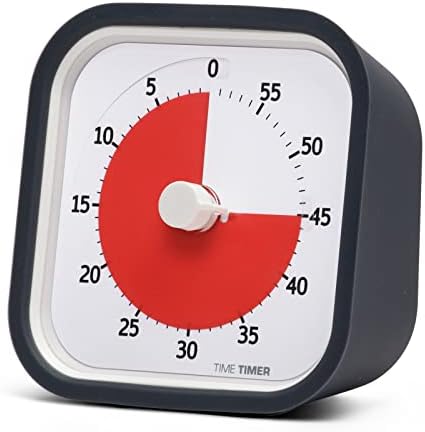
- Time Timer MOD — the red disk makes time visible; great for 25/5 or 45/10 without phone distractions.
- Pomodoro cube timer — flip to start (5/10/30/60). Fast and fiddle-free.
- Undated time-block planner — keeps your day calm and structured.
- Bamboo book stand — holds heavy texts upright; better posture, easier note-taking.
- Zebra Mildliners — gentle highlighters that don’t shout; ideal for calm color-coding.
- BenQ e-Reading desk lamp — wide, even light for textbooks + laptop; dimmable warm/cool modes.


Heads up: these are affiliate links. We only recommend tools we actually use.

January–February: The Winter Slump
What often happens: Back from break, motivation feels flat. Fewer daylight hours and cold weather can drag mood and energy; some friends may not return, which can feel isolating.
Small steps that help
- Sunlight + movement. Aim for 20 minutes outside most days, even if it’s cloudy. A brisk loop around campus clears your head and helps sleep later.
- Warm-up task. When starting feels heavy, do a 5-minute “set the stage”: title a page, date it, write three bullet points you’ll attempt. Momentum follows action.
- Body kindness. Hot shower, soft hoodie, warm tea. Comfort is not laziness; it’s fuel for hard things.
- Two-person study. Meet a classmate for a quiet hour. Agree to check in at the half, not chat the whole time.
Seven-day reset (tiny and realistic)
- Day 1: Sleep routine: screens off 45 minutes before bed.
- Day 2: Move 20 minutes outside.
- Day 3: Clean one surface (desk or backpack). Nothing else.
- Day 4: One 25/5 study block on your hardest class.
- Day 5: Make one meal with protein + carb + color.
- Day 6: Text one friend or family member a hello.
- Day 7: Plan two tiny blocks for next week.
March–May: The Final Push
What often happens: Second round of midterms, group projects, end-of-term papers, plus future-planning stress (jobs, housing, picking a major). It’s a lot—and you can pace it.
Small steps that help
- Chunk the monsters. Turn “10-page paper” into steps: choose topic → mini outline → 1 page ugly draft → tidy paragraphs → references → read aloud.
- Weekly review = guardrails. On Sunday, move deadlines into your calendar and place work blocks where they actually fit. Two good blocks can beat five scattered ones.
- Instructor check-ins. A 10-minute visit with a specific question can prevent hours of rework later.
- Test-day basics. Arrive early, brain-dump formulas/terms on scrap paper, answer easy questions first, circle the rest and loop back.
- Celebrate tiny wins. Cross off the next step, not the whole project. Your brain likes proof of progress.
When stress and sleep start chasing each other
Sometimes the mind won’t power down. You replay worries in bed and feel worse the next day, which makes the night even harder. Try this gentle routine for a week and see if it helps:
- Power-down hour. Last 45–60 minutes: dim lights, phone away, soft routine (shower, stretch, book).
- Paper parking lot. Write three lines: what’s on your mind, the earliest moment you’ll handle it, and the first step. Then close the notebook.
- Breath ladder. Four slow breaths in, four hold, four out, four hold—repeat for two minutes.
- Gentle self-talk. “I’m safe. Rest is study too. Morning me will handle it.”
Sleep & Quiet Kit (for calmer nights)
- Loop Quiet earplugs — soft, reusable, different tip sizes; a comfy way to lower dorm/library noise.
- Mack’s Ultra Soft earplugs — budget-friendly foam; useful for all-night use if silicone isn’t your thing.
- White noise machine — steady sound helps you drift off and stay asleep in shared spaces.
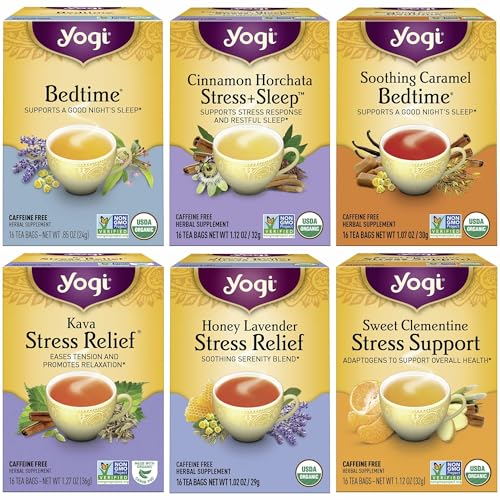
- Bedtime tea sampler — a simple wind-down cue if you like warm routines.
- Sony WH-1000XM4 ANC headphones — great for daytime focus in loud places and gentle playlists at night.


Heads up: these are affiliate links. We only recommend tools we actually use.
Your 15-minute Sunday reset (capture → sort → block)
- Capture: Empty your head and backpack—deadlines, ideas, errands—into one place.
- Sort: Mark what is important vs. merely loud. Drop one thing on purpose.
- Block: Place two to four small focus blocks on real days and times. Protect them like appointments.
Kind reminders for any month
- Hydrate and feed your brain. Steady water and snacks help memory more than you think.
- Take movement seriously. A ten-minute walk can reset a whole afternoon.
- Ask early, ask small. Professors, TAs, librarians, counseling—tiny questions start big help.
- Progress over perfect. Done is kinder than ideal. You can always polish later.
Questions students often ask
Related Reading
- Study Smarter: 10 Evidence-Based Principles for Focus & Comprehension — friendly methods that pair with this calendar.
- Busy vs Productive (3-Step Fix) — protect the time you need to study.
- Build a Productivity System (5 Steps) — set up your week so focus blocks actually happen.
This article may include affiliate links. We only recommend tools we actually use.


